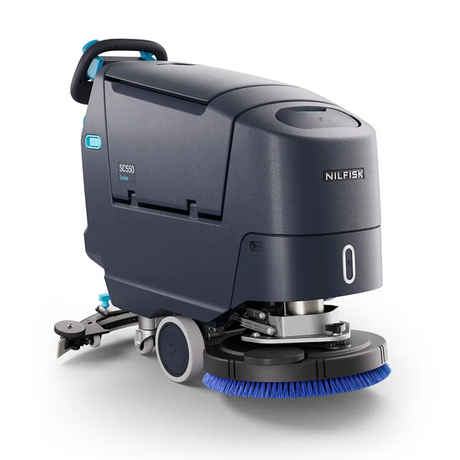
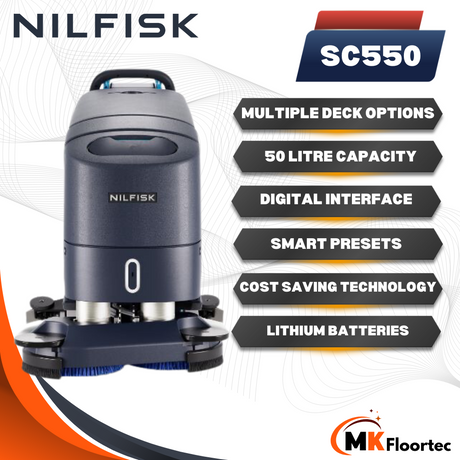
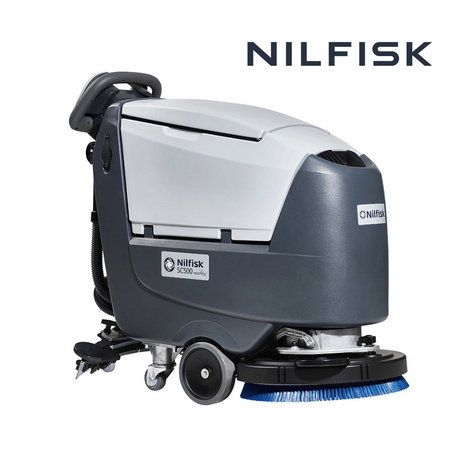
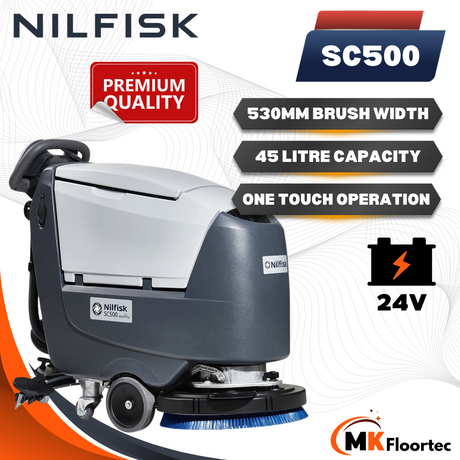
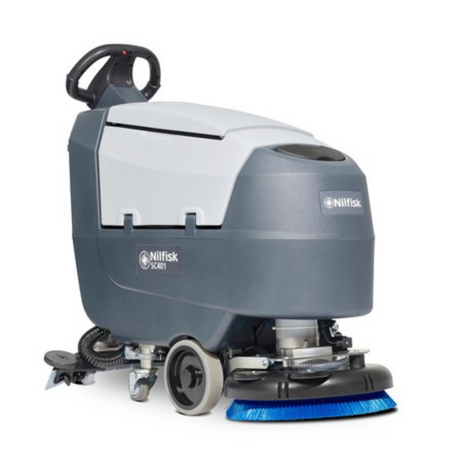
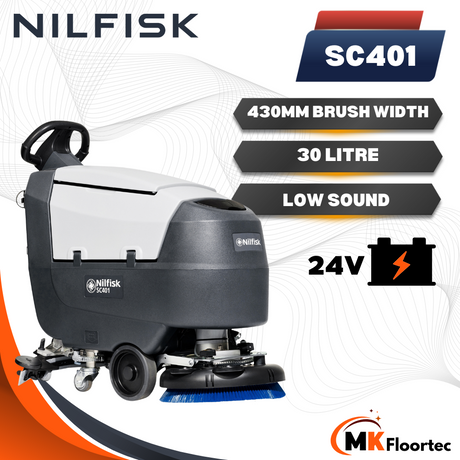
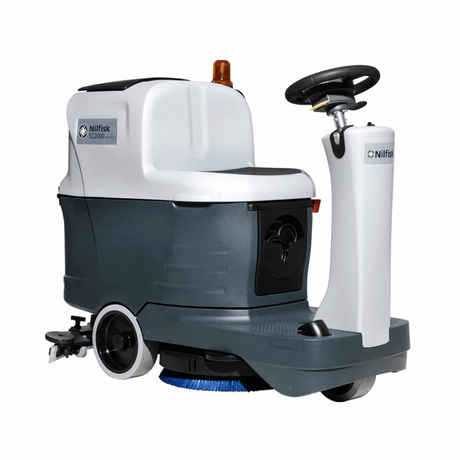
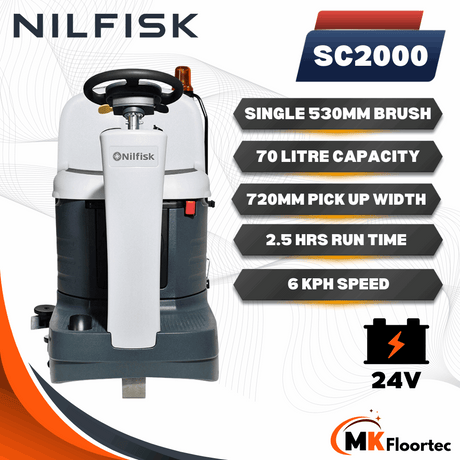
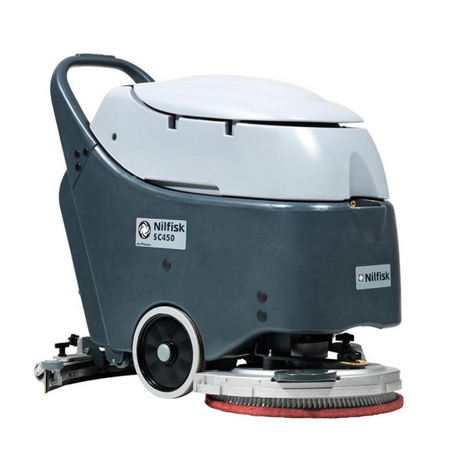
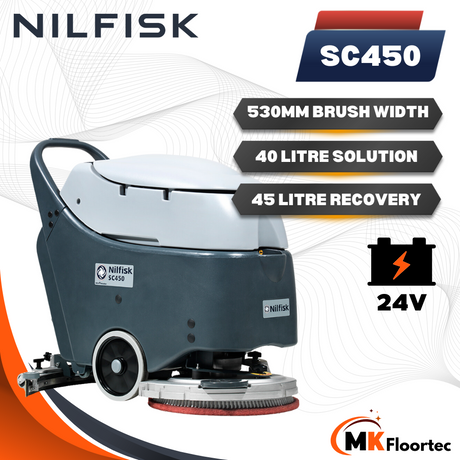
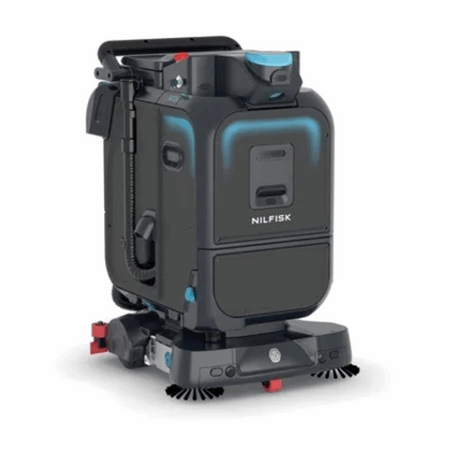
Proper battery maintenance is the most effective way to protect your investment and ensure your Nilfisk SC series(such as the SC401, SC500, or the SC2000 ride-on) delivers its full rated runtime. Whether your machine is powered by traditional Lead-Acid/GEL or high-performance Lithium-ion (Li-ion), the charging discipline you follow will determine the lifespan of the cells.
To get the longest life from your Nilfisk battery pack, follow these specialist protocols from our Sheffield hub:
For Traditional Lead-Acid & GEL Batteries:
- Avoid "Opportunity Charging": These batteries have a limited number of "charge cycles" (typically 700–1,200). Plugging them in for short bursts uses up a cycle. Always wait until the battery is at 20%–30% capacityand then perform a full, uninterrupted 8–12 hour charge.
- The 80/20 Rule: Never let the battery discharge to 0%. Deep discharging causes "sulfation," a chemical hardening that permanently reduces capacity.
- Fluid Maintenance: For "wet" lead-acid cells, check electrolyte levels monthly. Top up with distilled water only—and only after the charging cycle is complete to prevent acid overflow.
For Modern Nilfisk Lithium-ion (Li-ion) Batteries:
- Embrace Opportunity Charging: Unlike lead-acid, Lithium batteries thrive on short, frequent charges. You can plug a Nilfisk SC500 Li-ion in during a 15-minute break to "top up" without damaging the battery. This allows for 24/7 "multi-shift" operation.
- Zero Maintenance: Lithium-ion batteries are completely sealed. There is no water to top up and no gas emissions during charging, making them safer for food-sensitive environments.
- Partial State of Charge (PSOC): Lithium batteries do not suffer from "memory effect." They are happy staying at a partial charge (e.g., 50%) for longer periods than lead-acid, which must be stored at 100% to prevent damage.
General Best Practices for All Nilfisk SC Models:
- Temperature Control: Batteries are chemical engines. Storing or charging your machine in freezing conditions can reduce effective capacity by up to 30%. Always charge in a temperate, dry environment.
- Clean Terminals: Ensure connections are tight and free from corrosion. A build-up of "acid salts" can cause parasitic power drain and heat damage to the wiring loom.
By following these professional protocols, you can often double the operational life of your battery pack. If your machine is struggling to hold a charge or you are looking to upgrade your fleet from Lead-Acid to Lithium-ion, we supply genuine Nilfisk replacement battery sets and specialised chargers to modernise your cleaning operations.