UK’s Authorised Technical Hub for Industrial Cleaning Machinery Free Delivery On Order Over £99 Sign Up For Exclusive Offers UK’s Authorised Technical Hub for Industrial Cleaning Machinery Free Delivery On Order Over £99 Sign Up For Exclusive Offers
Request Machine Demonstration

Providing Cleaning Technology for over 40 Years

Brand Specialist

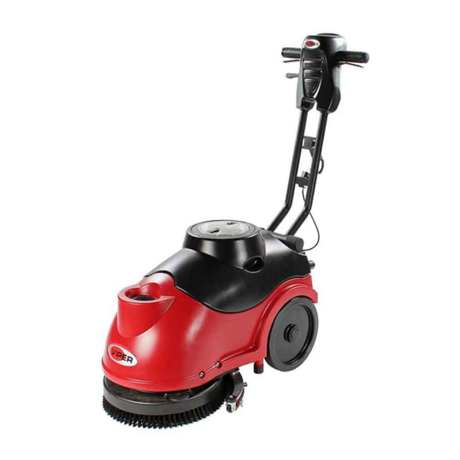
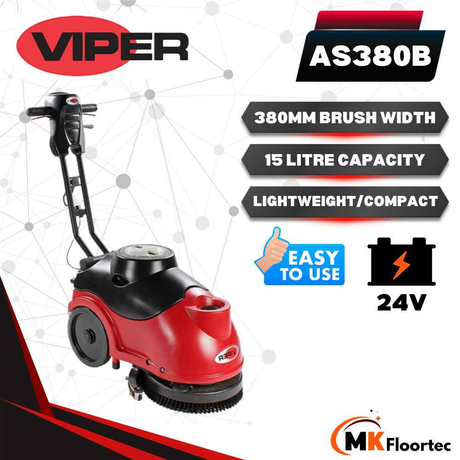
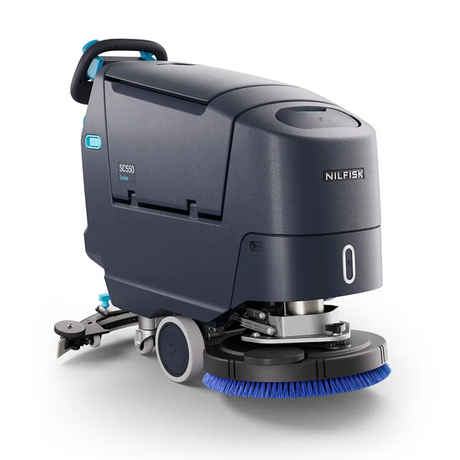
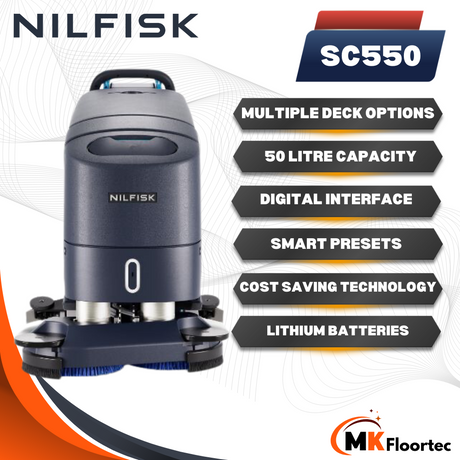
Buy Industrial & Commercial Battery Powered Floor Scrubber Dryers

Authorised UK Technical Hub: Heavy-duty cordless floor cleaning machines.

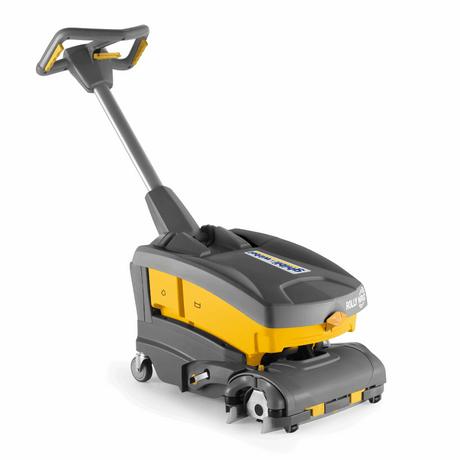
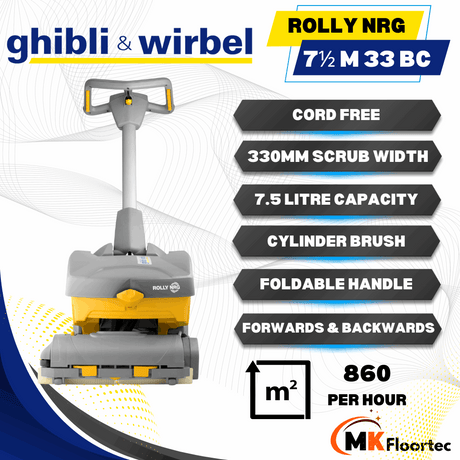
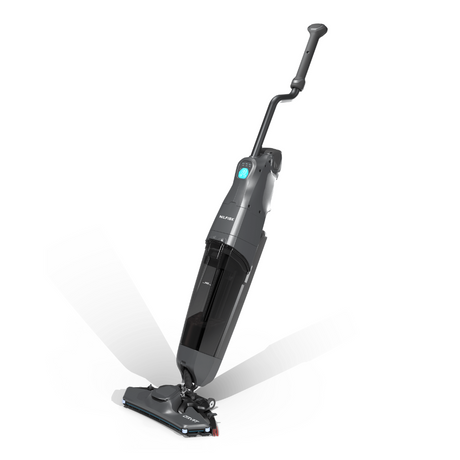
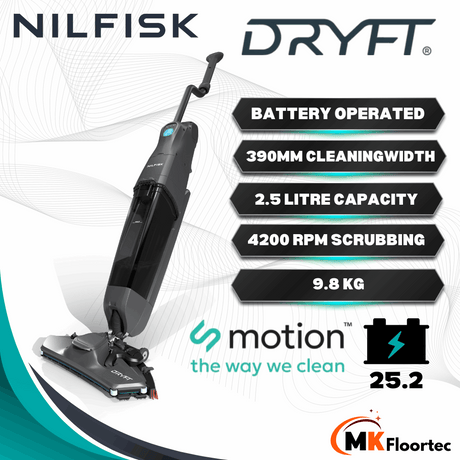
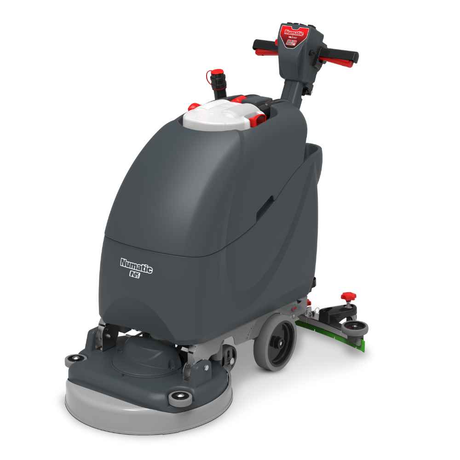
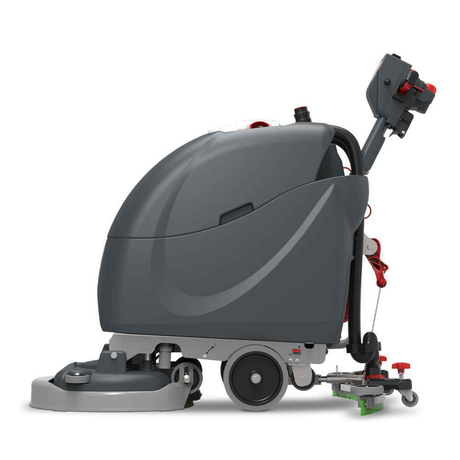
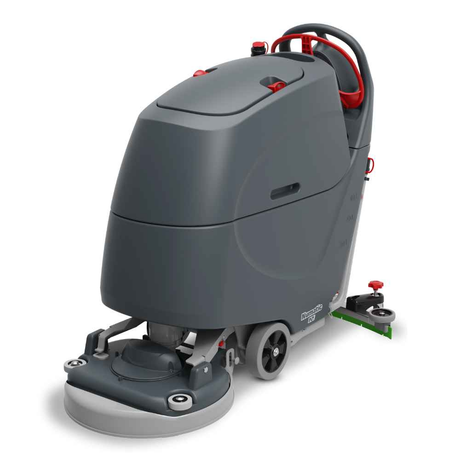
Restore efficiency and safety to your facility with industrial battery powered floor scrubber dryers from MK Floortec. As a floorcare specialist, we provide commercial cordless floor cleaners designed to eliminate trip hazards and trailing cables in high-traffic environments. From compact walk-behind battery scrubbers for retail and healthcare & education to heavy-duty Lithium-ion ride-on scrubber dryers for large-scale logistics and manufacturing, our range ensures unrestricted reach and maximum productivity.

Our battery-operated floor washers are engineered for durability, featuring high-capacity deep-cycle power technology to handle the rigours of 24/7 industrial operations. Avoid downtime with our expert-backed UK-wide technical support, ensuring your commercial floor scrubbing fleet maintains peak performance with genuine parts and manufacturer-certified on-site servicing.
View as

❓ Battery Powered Floor Scrubber Dryers: Frequently Asked Questions

Find expert answers to common questions about our professional battery powered floor scrubber dryer range.
  • Yes, in most cases, we can provide on-site demonstrations to ensure you choose the most effective cordless floor cleaning solution for your environment. At MK Floortec, we believe the best way to evaluate a battery-operated floor scrubber is to see it perform on your specific floor type and navigate your facility’s unique layout.

    Our technical experts will assess your floor acreage and cleaning frequency to ensure the Lithium-ion or deep-cycle battery configuration is perfectly tailored to your operational needs. This hands-on experience allows your team to test the machine’s manoeuvrability and run-time firsthand before committing to a purchase.

  • Run-times are determined by the machine’s power configuration and the battery technology used:

    • Integrated Systems: A standard commercial walk-behind scrubber typically offers 2–3 hours of continuous use, while heavy-duty industrial ride-on scrubbers with high-capacity Lithium-ion (Li-ion) banks can operate for 4–6 hours.
    • Interchangeable "Click-In / Click-Out" Systems: Many modern, compact scrubbers utilize modular battery packs with a run-time of 1–1.5 hours per charge. These systems are designed for high-frequency cleaning; by using an interchangeable "Click-In/Click-Out" method, you can swap a depleted battery for a fresh one in seconds, enabling virtually unlimited run-time through continuous rotation.
    • Variables: Factors such as increased brush pressure, use on high-friction surfaces, and maximum vacuum motor settings will draw more current and reduce these estimated run-times. To maintain peak performance, we recommend using a Lithium-ion fleet if your facility requires "opportunity charging" during short breaks.
  • Selecting the right power source depends on your facility's operational hours and budget. Here is how the three main technologies compare:

    • AGM & Gel (Maintenance-Free Lead Acid): These are the most common entry-level power sources. They are "sealed," meaning they require no water topping, making them safe for healthcare and food environments. While cost-effective upfront, they require longer charge cycles (8–10 hours) and should not be "opportunity charged" (charged in short bursts), as this significantly shortens their 500–700 cycle lifespan.
    • Lithium-ion (Li-ion): Representing the gold standard for industrial floor cleaning, Lithium-ion batteries offer the highest ROI. Unlike lead-acid alternatives, they support "opportunity charging," allowing operators to plug in during 30-minute breaks to extend run-time indefinitely. They provide consistent power output (suction and brush speed won't drop as the battery depletes) and last up to 2,000+ cycles—effectively 3x to 5x longer than traditional batteries.
  • Depending on the size and design of the machine, there are three primary charging configurations. Choosing the right one depends on your facility's available space and cleaning schedule:

    • Integrated On-Board Chargers: The most common setup for medium-to-large walk-behind and ride-on scrubbers. The charger is built directly into the machine; you simply plug a standard mains lead from the machine into any wall outlet. This is ideal for simplicity and ensures the charger is always with the machine.
    • Plug-In External Chargers: Some machines use a separate, stand-alone charging unit. The machine is driven to a "charging station," and a heavy-duty connector (often an Anderson plug) is moved from the machine’s motor to the external charger. This keeps the machine's weight down and allows for more powerful, rapid-charging units that might be too heavy to carry on-board.
    • External Battery Charging Docks (Click-In/Click-Out): Common in compact or "modular" scrubbers, this system requires removing the battery from the machine and placing it into a separate desktop or wall-mounted dock. This is the ultimate solution for 24/7 productivity; while one battery is in use, a second "spare" battery can be charging in the dock, allowing for instant swapping and zero machine downtime.
  • Modern industrial cordless scrubbers now match or exceed the performance of corded machines. Advances in 24V and 36V motor technology mean that suction power and brush RPM are identical to mains-powered units, with the added benefit of unrestricted movement and improved safety.

  • For Lead-Acid or AGM batteries, it is best to charge them only when they reach approximately 20% capacity and always charge them to 100% to avoid "memory effect" damage. Lithium-powered scrubbers, however, can be charged at any time without damaging the battery cells, making them ideal for multi-shift operations.

Compare /3

Loading...